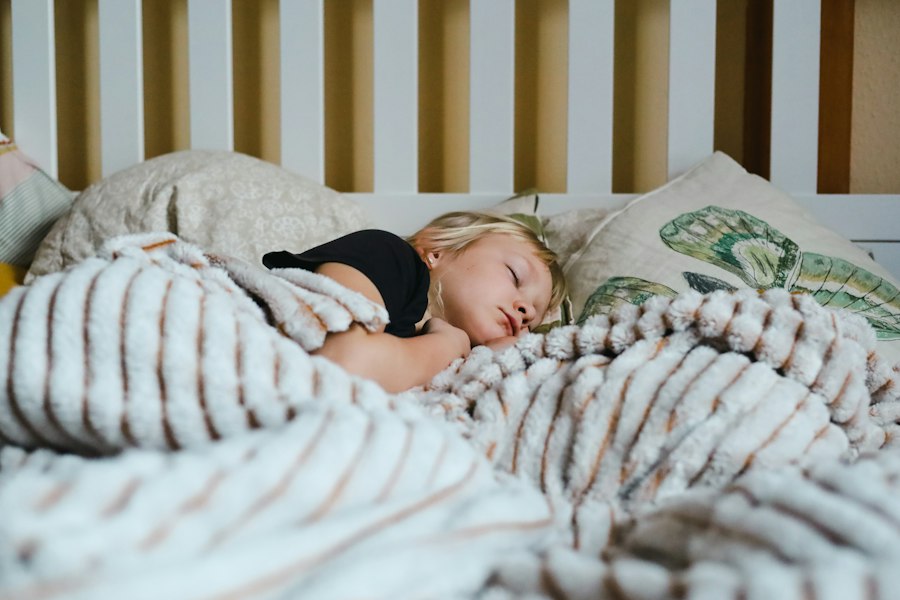
Bedtime is the moment when everything that's been holding together all day has a chance to fall apart. The tired child who can't stop crying. The water request, the hug request, the one more story request. The parent who is exhausted and needs the day to end. The standoff that turns a 7:30pm bedtime into a 9:15pm collapse.
It doesn't have to be this way — and it usually isn't, in households where the bedtime routine is thoughtfully designed rather than improvised each night. A consistent bedtime routine is one of the highest-impact changes a family can make, and the research consistently backs this up.
A 2014 study published in Sleep journal found that children with consistent bedtime routines fell asleep faster, woke less frequently, and had significantly better behavioral outcomes. Another study found that mothers of children with consistent routines reported lower stress levels themselves. The routine benefits everyone in the household — not just the child.
This guide covers the general structure for ages 2–12. If you're specifically dealing with crib-climbing, curtain calls, or a toddler mid-transition to a big-kid bed, our dedicated guide to a bedtime routine for a 2 year old who fights sleep covers those battles in more detail.
💡 The core principle: A bedtime routine works not because of the specific activities, but because of the predictability. Predictability signals safety to a child's nervous system. When the body knows what comes next, it begins preparing for sleep before it even arrives.
How Much Sleep Does Your Child Actually Need?
Before building the routine, confirm you're working toward the right bedtime. Most sleep battles are at least partly caused by parents starting the routine too late, when the child is already overtired — and paradoxically, overtired children fight sleep harder, not less.
| Age | Total Sleep Needed | Target Bedtime (7am wake) |
|---|---|---|
| Toddlers (1–3 yrs) | 11–14 hours | 6:30–7:30pm |
| Preschool (3–5 yrs) | 10–13 hours | 7:00–8:00pm |
| School-age (6–9 yrs) | 10–11 hours | 7:30–8:30pm |
| Preteens (10–12 yrs) | 9–10 hours | 8:30–9:30pm |
If your child's current bedtime is significantly later than these ranges, adjust gradually — shift it 15 minutes earlier every 3-4 days. An abrupt change creates resistance; a gradual shift is almost unnoticed.
The 4-Phase Bedtime Routine
The most effective bedtime routines follow a consistent structure with four distinct phases. Total time: 45-60 minutes. This might seem long, but most of that time is low-effort for parents — the structure does the work.
This is the phase most families skip, which is why bedtimes are harder than they need to be. The nervous system needs transition time — it cannot shift from high stimulation to sleep-ready in minutes.
- Screens off — blue light suppresses melatonin production for up to 2 hours
- Lighting dimmed — dim or warm lighting signals the brain that day is ending
- Activity shift — from active play to drawing, puzzles, Lego, or quiet books
- Voice lowered — your calm, slow voice literally co-regulates your child's nervous system
Bath, teeth, face wash, pajamas. The sequence should be identical every night. Predictable sequences create what sleep researchers call a "sleep anchor" — the body starts producing melatonin in anticipation of the familiar chain of events.
A warm bath is particularly effective: it raises body temperature, and the subsequent cooling triggers sleepiness. Even a quick warm wash achieves part of this effect.
This is the most underestimated phase — and the one that most reduces curtain calls. Children who resist bedtime are often seeking connection that wasn't met during the day. A deliberate, predictable connection ritual fills that need before it turns into a behavioral negotiation.
- Story time — one or two books, same number every night
- Rose and thorn — each person shares one good thing and one hard thing from their day
- Gratitude practice — three things you're grateful for (builds sleep-positive associations)
- The day review — briefly narrate the day together: "this morning you did X, then we had Y"
This phase is also when the daily special time practice pays its dividends — children whose connection tanks are full through the day need less from bedtime.
💡 The full bedtime structure — including scripts for common battles, age-by-age adjustments, and a 30-day implementation plan — is in The Mindful Family Handbook. Available at calmimo.com.
The goodbye ritual is a brief, warm, completely predictable farewell that signals: this is the end, and it is safe. It might be three kisses on the forehead, a special phrase, a song, a hand squeeze — the content matters far less than its consistency.
After the ritual, you leave. The child knows what happened, knows what comes next, and knows you'll be there in the morning. This predictability is what makes independent sleep possible.
The Most Common Bedtime Battles — and How to Handle Them
"I'm not tired"
Children almost never accurately report their tiredness — they resist sleep even when exhausted. Don't negotiate around the feeling. Reframe: "You don't have to be tired. You just have to be in bed." The body knows what to do once horizontal and quiet.
The Curtain Call (water, hug, one more question)
Build the most common requests into the routine. One sanctioned glass of water. One extra hug. One question answered. Make these part of Phase 3 before you say goodnight. When they've already received it, the bid for more loses its power.
For anything after the goodbye ritual: calm, brief, boring response. No discussion, minimal eye contact, gentle return to bed. Attention — even frustrated attention — rewards the behavior. Boredom extinguishes it.
Fears and anxiety
Nighttime fears are developmentally normal from ages 3-8. Don't dismiss them ("there's nothing there") — this invalidates the child's experience. Instead, acknowledge and problem-solve together: "That sounds scary. What would help you feel safer?" A nightlight, a special stuffed animal, a "monster spray" (water bottle), or a brief check-in promise all work better than reassurance alone.
The child who won't stay in their room
Consistency is everything here. Every time the child comes out, the response must be identical: calm, warm, minimal words, return to bed. No punishment, no reward, no negotiation. This takes days of consistency before the behavior changes — most parents give up too early, which reinforces the pattern.
What the Best Bedtime Routines Have in Common
Across the research literature and clinical practice, effective bedtime routines share five characteristics:
- They start at the same time every night — including weekends. Circadian rhythm doesn't take weekends off.
- They follow the same sequence — predictability is the active ingredient, not the specific activities.
- They include deliberate connection — the child feels seen before they're sent to sleep.
- They have a clear, warm ending — the goodbye ritual removes ambiguity about when parent presence ends.
- They're protected from screens — no exceptions, no "just this once." The melatonin disruption is real and significant.
This connects directly to the broader principle of building calm predictable structures throughout your child's day — mornings and bedtimes are the two anchors, and improving either one tends to improve the other.
Want a Complete Calm Home System?
The Mindful Family Handbook covers bedtime routines, morning structures, emotional regulation tools, sibling dynamics, and everything in between — with age-by-age guidance and ready-to-use scripts. A practical guide for parents who want less chaos and more connection.
Get the Guide — calmimo.com😴 Still struggling with sleep after trying everything? Some families need a dedicated, step-by-step sleep program. This structured baby & toddler sleep solution has helped thousands of exhausted parents finally rest. (Affiliate link — Calmimo may earn a commission, at no extra cost to you.)
Frequently Asked Questions
What is the best bedtime routine for kids?
The most effective routine has four phases: wind-down (screens off, lighting dim), hygiene (bath, teeth), connection (story, conversation), and a consistent goodbye ritual. Starting early enough — before overtiredness sets in — matters as much as the routine itself.
What time should kids go to bed?
Sleep needs vary by age. Most school-age children should be asleep between 7:30–8:30pm. Work backwards from your child's wake time. Earlier is almost always better — overtired children fight sleep harder, not less.
How do I get my child to stay in bed?
Build common requests into the routine before you say goodnight. After the goodbye ritual, respond to any leaving with calm, boring consistency — no discussion, minimal eye contact, gentle return. Attention rewards the behavior; boredom extinguishes it.
How do I stop bedtime battles?
Bedtime battles are almost always caused by starting too late, too much stimulation close to bedtime, or insufficient connection during the day. Address the upstream cause rather than managing the battle in the moment.
Should I let my child fall asleep with me?
Co-sleeping and gradual separation are both valid approaches depending on your family's values. The research concern is about consistency — whatever approach you choose, applying it consistently matters more than which approach you pick.